
Best Cat Safe Plants for Your Sphynx Cat's Home
- unfurgettablesphyn
- Mar 15
- 3 min read
Bringing plants into your home can brighten your space and improve air quality, but if you share your home with a Sphynx cat, choosing the right plants is crucial. Sphynx cats are curious and often explore their surroundings by sniffing, nibbling, or pawing at objects. Some common houseplants can be toxic to cats, causing anything from mild irritation to serious health problems. This guide will help you select cat-safe plants that keep your Sphynx happy and healthy while adding natural beauty to your home.
Why Choosing Cat Safe Plants Matters for Sphynx Cats
Sphynx cats have unique care needs due to their lack of fur. Their skin is more exposed to environmental factors, and they tend to groom themselves frequently. If they come into contact with toxic plants, they risk skin irritation or ingesting harmful substances. Unlike some other cats, Sphynx cats may also be more prone to chewing on plants because they seek sensory stimulation.
Toxic plants can cause symptoms such as:
Vomiting and diarrhea
Drooling or pawing at the mouth
Skin redness or rash
Lethargy or loss of appetite
In severe cases, organ damage or seizures
Choosing plants that are non-toxic and safe for cats reduces these risks and creates a safer environment for your pet.
Top Cat Safe Plants for Your Sphynx Cat's Home
Here are some of the best plants that are safe to keep around your Sphynx cat. These plants are non-toxic according to the ASPCA and are generally well-tolerated by cats.
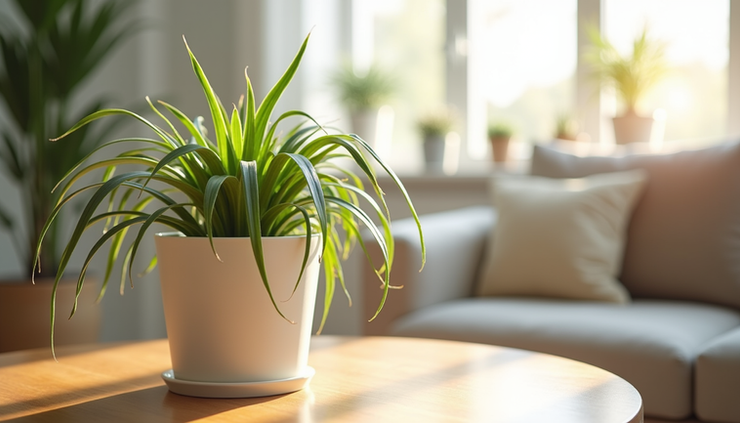
Spider Plant (Chlorophytum comosum)
Easy to grow and maintain
Thrives in indirect sunlight
Known to improve indoor air quality
Cats often enjoy playing with its arching leaves
Boston Fern (Nephrolepis exaltata)
Adds lush greenery and humidity to your home
Prefers indirect light and moist soil
Non-toxic and safe if your cat decides to nibble
Areca Palm (Dypsis lutescens)
A popular indoor palm with feathery fronds
Requires bright, indirect light and regular watering
Safe for cats and adds a tropical feel
Calathea (Calathea spp.)
Known for its striking leaf patterns and colors
Prefers low to medium light and high humidity
Non-toxic and safe for cats
Prayer Plant (Maranta leuconeura)
Unique leaves that fold up at night
Thrives in indirect light and moist soil
Safe for cats and visually appealing
Bamboo Palm (Chamaedorea seifrizii)
Tall, elegant palm that filters air pollutants
Prefers indirect light and consistent moisture
Non-toxic and safe for feline friends
Plants to Avoid Around Your Sphynx Cat
While many plants are safe, some common houseplants are toxic to cats and should be avoided. Here are a few examples:
Lilies (Lilium spp.): Extremely toxic, can cause kidney failure
Philodendron: Causes oral irritation and swelling
Pothos (Devil’s Ivy): Toxic if ingested, causes vomiting
Dieffenbachia (Dumb Cane): Causes burning and swelling in mouth
Oleander: Highly toxic, can affect heart function
Avoiding these plants helps prevent accidental poisoning and keeps your Sphynx safe.
Tips for Keeping Plants Safe Around Your Sphynx Cat
Even with safe plants, it’s smart to take precautions to protect your cat and your greenery:
Place plants out of reach if your cat tends to chew aggressively
Use cat-safe soil and avoid fertilizers or pesticides that are toxic
Provide alternative safe plants or cat grass to satisfy chewing instincts
Regularly inspect plants for signs of damage or mold
Wash your cat’s paws if they come into contact with soil or plant leaves
Benefits of Having Cat Safe Plants in Your Home
Choosing the right plants benefits both you and your Sphynx cat:
Improved air quality: Many houseplants filter toxins and increase oxygen
Stress reduction: Greenery creates a calming environment for pets and owners
Safe exploration: Your cat can enjoy interacting with plants without health risks
Aesthetic appeal: Adds natural beauty and texture to your living space
How to Introduce New Plants to Your Sphynx Cat
When bringing a new plant home, introduce it gradually:
Observe your cat’s reaction to the plant
Offer distractions like toys or cat grass to divert attention
Monitor for any signs of irritation or unusual behavior
Adjust placement if your cat shows too much interest
This approach helps your Sphynx adjust and keeps your plants intact.
Choosing cat safe plants for your Sphynx cat’s home is a simple way to protect your pet while enhancing your living space. By selecting non-toxic plants like spider plants, Boston ferns, and calatheas, you create a safe environment where your cat can explore and enjoy nature indoors. Keep toxic plants out of reach, monitor your cat’s behavior, and provide safe alternatives to chewing. With these steps, your Sphynx will thrive in a green, healthy home.


Comments