
The Enigma of Silent Meows: Understanding Why Some Cats Communicate Without Sound
- unfurgettablesphyn
- Mar 15
- 3 min read
Cats are known for their vocalizations, from loud meows to gentle purrs. Yet, some cats communicate in a way that puzzles many owners: they meow silently. This quiet form of communication can leave cat lovers wondering why their feline friends choose silence over sound. Understanding silent meows reveals fascinating insights into cat behavior and communication.
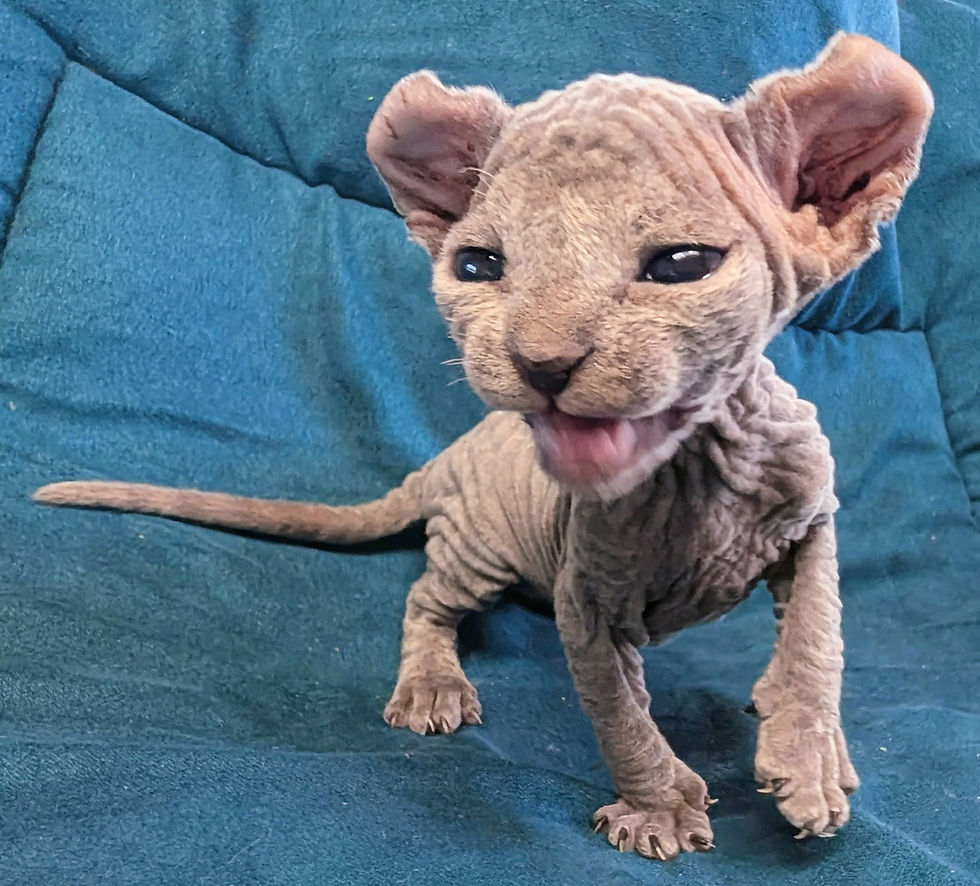
What Is a Silent Meow?
A silent meow happens when a cat opens its mouth as if to meow but produces little or no sound. It looks like the cat is trying to speak but something holds back the voice. This behavior is sometimes called a "mouthing meow" or "quiet meow." It is not a sign of illness or distress but a unique way cats express themselves.
Cats use silent meows to get attention, show affection, or communicate needs without the noise. Owners often notice this behavior when their cats want food, want to be petted, or simply want to interact quietly.
Why Do Cats Silent Meow?
Several reasons explain why some cats meow silently:
1. Learned Behavior From Humans
Cats quickly learn which vocalizations get the best response from their owners. Some cats discover that a silent meow grabs attention just as well as a loud one but without startling people or other pets. This quiet approach can be more effective in a calm household.
2. Physical or Health Factors
Occasionally, silent meows occur because of physical issues such as:
Throat irritation or inflammation
Respiratory infections
Age-related changes in vocal cords
If a cat suddenly starts silent meowing and shows other signs like coughing or difficulty breathing, a vet visit is necessary. But many healthy cats use silent meows naturally.
3. Personality and Temperament
Just like people, cats have different personalities. Some cats are naturally quieter and prefer subtle communication. A shy or gentle cat may use silent meows to avoid drawing too much attention or to express themselves softly.
4. Kitten Behavior Carried Into Adulthood
Kittens often use silent meows to communicate with their mothers. Some cats keep this habit as adults, especially if they were raised in close contact with their mothers or siblings.
How to Respond to a Silent Meow
Understanding silent meows helps owners respond appropriately:
Pay attention to body language. Look for tail position, ear movement, and eye contact to understand what the cat wants.
Offer gentle attention. Silent meows often mean the cat wants affection or reassurance. Soft petting or talking back calmly can strengthen your bond.
Check for needs. The cat might be hungry, thirsty, or want to play. Meeting these needs promptly encourages positive communication.
Observe health signs. If silent meowing is new or accompanied by other symptoms, consult a veterinarian.
Examples of Silent Meow Communication
Here are some real-life examples that show how silent meows work:
A cat sits by the food bowl, opens its mouth as if to meow but no sound comes out. The owner understands this means "I'm hungry" and fills the bowl.
A shy cat approaches its owner, silently meowing while rubbing against their leg. This quiet gesture asks for petting without being too demanding.
A cat silently meows at the door, signaling it wants to go outside or come back in. The owner opens the door, responding to the subtle request.
The Science Behind Silent Meows
Research on cat vocalizations shows that cats have a wide range of sounds and ways to communicate. Silent meows are part of this spectrum. Scientists believe silent meows may involve the cat controlling airflow or vocal cord tension to reduce sound.
Cats also use facial expressions and body posture to add meaning to silent meows. This combination helps cats communicate effectively without noise.
Why Silent Meows Matter to Cat Owners
Recognizing silent meows improves the relationship between cats and their humans. It encourages owners to be more observant and responsive to subtle cues. This understanding can reduce frustration on both sides and create a more peaceful home environment.
Silent meows also highlight the intelligence and adaptability of cats. They adjust their communication style based on their environment and the reactions they get.
Tips for Encouraging Healthy Communication With Your Cat
Spend quality time observing your cat’s behavior and vocalizations.
Respond consistently to silent meows to reinforce communication.
Provide a calm and safe environment where your cat feels comfortable expressing itself.
Use positive reinforcement like treats or gentle praise when your cat communicates clearly.
Keep regular vet checkups to rule out health issues affecting vocalization.
When to Seek Veterinary Advice
Silent meowing is usually harmless, but sudden changes in vocal behavior can signal health problems. Contact a vet if your cat:
Stops vocalizing completely
Shows signs of pain or discomfort
Has difficulty breathing or swallowing
Exhibits lethargy or loss of appetite
Early diagnosis helps treat any underlying conditions and keeps your cat healthy.


Comments