
Why Sphynx Cats are the Perfect Companions for Families with Children
- unfurgettablesphyn
- Mar 15
- 4 min read
When families consider adding a pet to their home, the question often arises: are Sphynx cats good with children? These unique, hairless cats stand out not only for their appearance but also for their personality. Understanding how they interact with kids can help families decide if a Sphynx is the right fit for their household.
Sphynx cats are known for their affectionate and playful nature, traits that many parents look for in a pet. But how do these cats handle the energy and unpredictability of children? This post explores the temperament of Sphynx cats, their care needs, and how they fit into family life with kids.
What Makes Sphynx Cats Unique
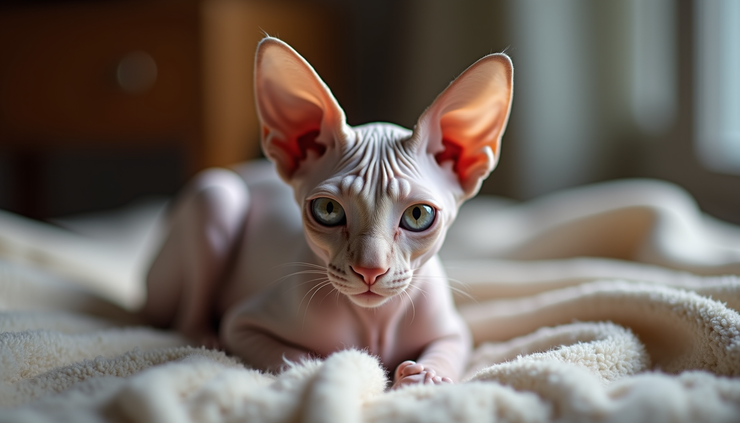
Sphynx cats are instantly recognizable due to their lack of fur, wrinkled skin, and large ears. This breed originated in the 1960s through selective breeding of naturally hairless cats. Their unusual look often sparks curiosity, but their personality is what truly defines them.
Affectionate and Social: Sphynx cats crave attention and love to be around people. They often follow their owners from room to room and enjoy being involved in family activities.
Playful and Energetic: These cats have a kitten-like energy well into adulthood. They enjoy interactive play and toys that challenge their intelligence.
Sensitive to Temperature: Without fur, Sphynx cats feel cold more easily and seek warmth, often cuddling with family members or snuggling under blankets.
Their social and lively nature makes them stand out among cat breeds, especially for families looking for a pet that interacts closely with children.
How Sphynx Cats Interact with Children
Children bring a lot of energy and noise into a home, which can be overwhelming for some pets. Sphynx cats, however, tend to thrive in lively environments.
Tolerance for Handling: Sphynx cats generally tolerate gentle handling well. Their affectionate nature means they often enjoy being petted and held, which can be comforting for children learning how to care for animals.
Playfulness Matches Kids’ Energy: Their playful spirit aligns well with children’s active behavior. They enjoy chasing toys, playing hide and seek, and engaging in interactive games.
Need for Supervision: Like all pets, interactions between young children and Sphynx cats should be supervised to ensure the cat is not stressed and the child learns to be gentle.
Families report that Sphynx cats often become a child’s best friend, providing companionship and teaching empathy through daily care routines.
Caring for a Sphynx Cat in a Family Setting
Sphynx cats require specific care that families should be prepared for, especially when children are involved.
Skin Care: Without fur, Sphynx cats accumulate oils on their skin and need regular baths, usually once a week. Teaching children about this care can be a valuable lesson in responsibility.
Temperature Control: These cats need warm environments. Families should provide heated beds or blankets, especially in cooler months.
Nutrition and Health: A balanced diet supports their high metabolism. Regular vet visits are essential to monitor skin health and overall wellness.
Gentle Handling: Children should be taught how to handle the cat carefully to avoid skin scratches or stress.
By involving children in the care process, families can strengthen the bond between kids and their Sphynx cat while ensuring the pet’s needs are met.
Benefits of Having a Sphynx Cat for Children
Bringing a Sphynx cat into a family with children offers several benefits beyond companionship.
Emotional Support: Sphynx cats are known for their empathy and often respond to their owner’s moods, providing comfort during stressful times.
Learning Responsibility: Caring for a pet teaches children about commitment, routine, and respect for living beings.
Encourages Social Skills: Interacting with a pet can improve a child’s communication and nurturing skills.
Hypoallergenic Qualities: While no cat is completely hypoallergenic, Sphynx cats produce fewer allergens due to their lack of fur, which can be helpful for children with mild allergies.
These benefits make Sphynx cats a valuable addition to many family homes.
Potential Challenges to Consider
No pet is perfect, and Sphynx cats come with challenges that families should consider.
Skin Sensitivity: Their exposed skin is prone to sunburn and irritation. Families must be vigilant about sun exposure and skin care.
High Maintenance: Weekly baths and skin care routines require time and effort.
Fragility: Their lack of fur means they are more vulnerable to scratches and injuries, so children must learn to be gentle.
Cost: Sphynx cats can be expensive to purchase and maintain due to their special needs.
Understanding these challenges helps families prepare for a successful relationship with their Sphynx cat.
Tips for Introducing a Sphynx Cat to Children
A smooth introduction sets the stage for a positive relationship between children and a new Sphynx cat.
Educate Children: Teach kids how to approach and handle the cat gently.
Create Safe Spaces: Provide the cat with quiet areas where it can retreat if overwhelmed.
Supervise Interactions: Always watch young children when they interact with the cat.
Encourage Play: Use toys to engage the cat and children together, building trust and fun.
Set Routines: Involve children in feeding, grooming, and playtime to build responsibility.
These steps help ensure the cat feels safe and the children learn respectful pet care.


Comments